
educational guide for NFT charity trust
How a Charitable NFT Collection Can Build Trust Beyond the Mint
A practical guide to turning a charity NFT project into a credible public campaign with transparent storytelling, clear fund flows, and collector confidence.
This guide is part of the restored United Cocktail Lovers knowledge base. For more context, read the archive-based project story and contribution and foundation links pages before returning to the detailed framework below.
Start With a Public Promise
A charitable NFT collection asks supporters to trust two things at once: the artistic idea and the destination of the money. That is why the public promise should be direct, plain, and visible before any mint or marketplace link. The original United Cocktail Lovers archive did this with a compact statement: a charity NFT collection created to support Ukrainian people. The restored site keeps that promise visible, then explains the context around it so a visitor is not forced to decode old Webflow animations, dead forms, or unclear call-to-action buttons.
The strongest public promise is not a slogan. It is a short operating contract between the project and the collector. It tells people what the collection represents, why the creative device exists, where support is meant to flow, and what the buyer can reasonably expect after purchase. In this case, the cocktail bottle concept was tied to improvised defensive symbols and international support. The rebuild frames that idea carefully: as an archive-restored art project with donation intent, not as a vague hype campaign.
Make the Fund Flow Easy to Understand
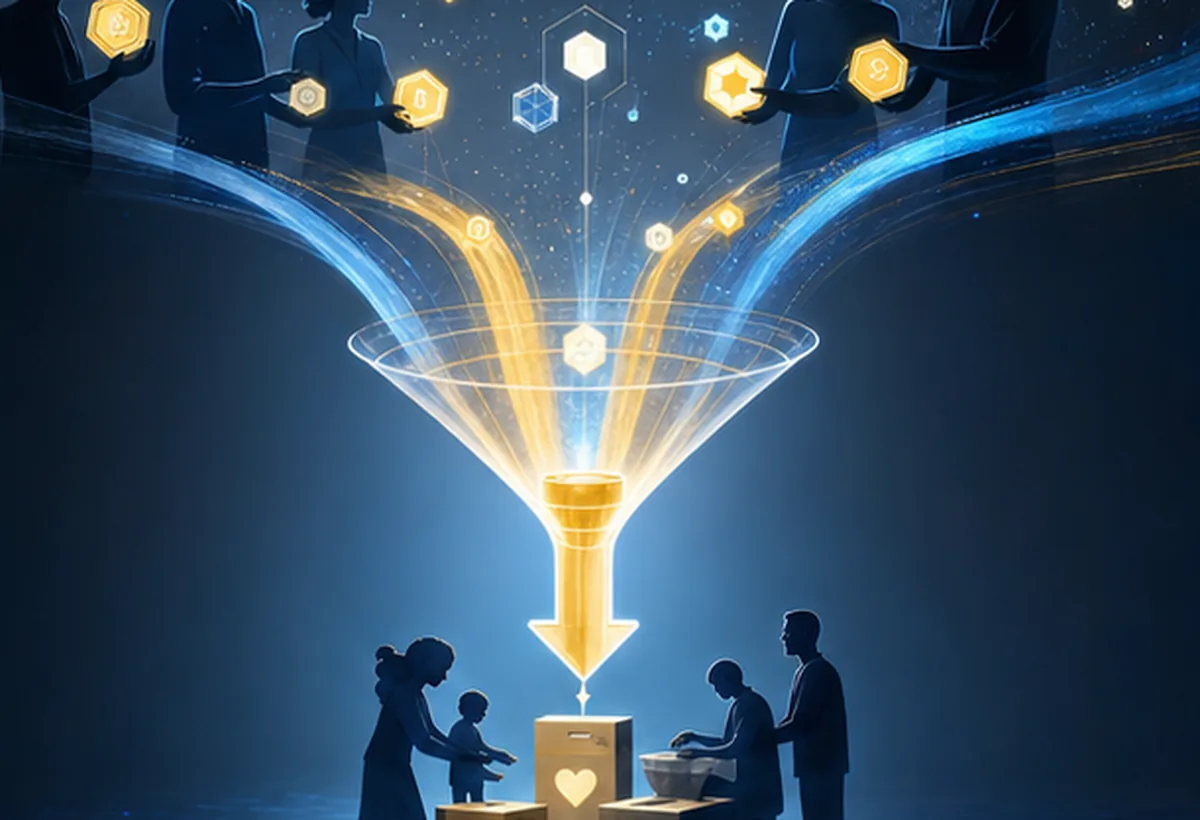
Collectors rarely need a complicated finance diagram, but they do need a calm explanation of fund flow. A trustworthy NFT fundraiser should show the marketplace path, direct donation alternatives, and any foundations named by the original campaign. The restored United Cocktail Lovers site gives the OpenSea link its own role while also linking to direct contribution pages. That separation matters because it avoids implying that a marketplace purchase is the only way to help.
A good charity page should also explain limitations. If the original smart contract, payout wallet, or historical fulfillment system cannot be verified from the public archive, the modern site should say so indirectly through careful copy. This rebuild avoids promising active T-shirt fulfillment or current donation automation that could not be recovered. The visitor sees the archive record, the project story, and the contribution options, each in its own lane.
Use Art Direction as Proof of Care
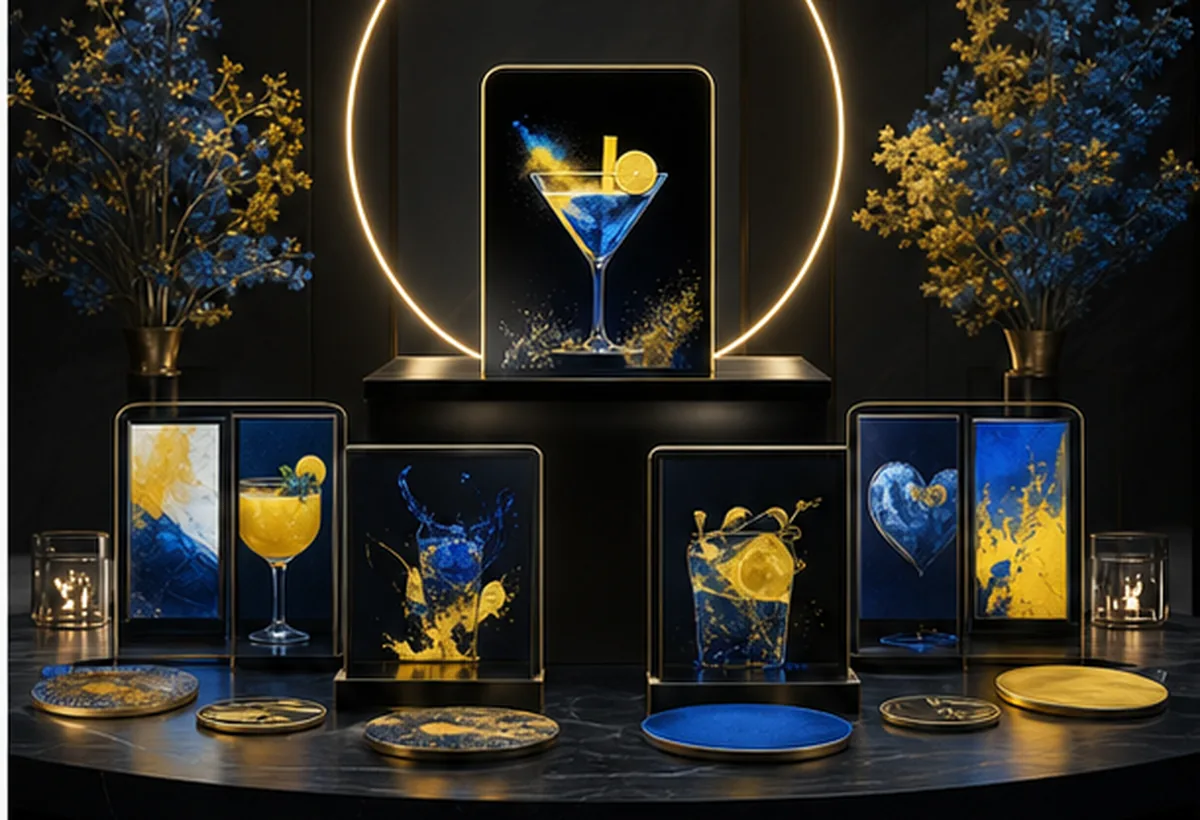
Design quality is a trust signal. The archived United Cocktail Lovers site had a distinctive identity: black backgrounds, bright yellow flame pixels, bottle silhouettes, and blue-yellow campaign energy. The rebuild keeps those signals but reduces clutter. Fast static pages, consistent typography, optimized images, and accessible contrast make the campaign feel intentional rather than abandoned.
For a charitable NFT project, polished visuals should not overwhelm the cause. The art direction has to carry emotion while leaving room for sober context, foundation links, and FAQs. The restored design uses cocktail-inspired artwork, concise section labels, and enough white space for scanning. That balance helps the project look like a living archive rather than a museum copy of a 2022 launch page.
Give Collectors More Than a Token Link
A collection page should answer the question collectors ask after the first impression: what exactly am I supporting and what am I receiving? United Cocktail Lovers had ten cocktail concepts and thirty NFTs per cocktail, split into common, rare, and legendary editions. Explaining that structure gives the artwork more shape and makes the OpenSea link more meaningful.
Collector confidence also grows when the site shows the people behind the work. Restoring the creator section gives the campaign a human center. Names, handles, and creator images make the project less anonymous. Even when some old social channels may have changed, preserving the archive credits helps visitors understand that the collection had real authorship and a specific creative moment.
Keep the SEO Honest
SEO for charity NFT projects can easily become noisy: too many buzzwords, thin landing pages, or duplicate marketplace descriptions. A better strategy is to write around the genuine questions people search for: how charity NFTs work, how collectors verify impact, what NFT utility can mean, how merch supports a cause, and how an archived campaign can be restored responsibly. That is why this rebuild adds a blog around the project instead of stuffing the homepage.
Each article should connect back to the core pages with useful internal links. A reader learning about NFT fundraising should be able to reach the project story and the contribution page without hunting through the menu. Internal links also help search engines understand the relationship between the restored archive, the cocktail collection, the creators, and the donation intent.
Turn the Archive Into an Accountability Layer
The public archive is more than source material for design. It is evidence of what the original project claimed, what pages existed, and which assets were public. By using Wayback captures as the restoration baseline, the rebuild can separate recovered material from modern improvements. That distinction is especially important for a cause-related site, where invented history would damage trust.
The practical lesson is simple: rebuild what can be proven, improve what is obsolete, and label active promises carefully. United Cocktail Lovers now has fast pages, modern metadata, a sitemap, robots rules, schema, restored creator credits, recovered artwork, and a blog. That makes the project easier to inspect, easier to share, and more credible for visitors who arrive years after the first launch.
Practical checklist
Use this checklist to review the topic in practice: the page should explain its purpose in the first screen, give readers enough background to understand the archive, make the collector or supporter action visible, and avoid language that turns a cause-led project into a vague promotional claim. For a subject like charitable NFT collection, NFT fundraising, collector trust, clarity is more persuasive than volume. A visitor should be able to identify the project, the artwork, the support path, the people behind it, and the next useful page without opening a separate document.
The same checklist applies to design and content quality. Images should have descriptive alt text, article headings should describe real questions, links should lead to working pages, and each claim should be supported by visible context. In this rebuild, the article connects back to archive-based project story and contribution and foundation links so readers can move from education to inspection. That relationship between guide content and core pages is what turns a restored archive into a site that can still earn qualified attention.
The final pass should read the article the way a cautious visitor would read it. If a paragraph raises a claim about impact, provenance, utility, or collector value, the next sentence should explain how that claim is visible on the site. If a call to action appears, it should lead to a page that resolves the reader's next question rather than forcing them into a dead end. This standard keeps the long-form content useful instead of merely long.
A useful review also checks whether the page can stand alone when a search visitor lands on it first. The reader should not need prior knowledge of the project, the old Webflow page, or NFT terminology to understand the argument.
Editorial standards for a restored project
A restored web project needs stricter editorial standards than a brand-new campaign because it is carrying an older public record. The copy should not pretend to know what cannot be verified, and it should not hide the fact that some materials came from archived snapshots. At the same time, it should not sound apologetic. The best voice is calm and factual: this is what the original site said, this is what was recovered, this is what has been improved, and this is how visitors can verify or continue.
For How a Charitable NFT Collection Can Build Trust Beyond the Mint, that means using modern explanatory content around the recovered archive rather than rewriting history. The article can add current best practices for SEO, user trust, utility, or art direction, but the original mission stays intact. This protects the project's credibility. It also gives future editors a useful boundary: improve page structure, polish language, add verified updates, and keep speculative promises out of active call-to-action areas.
Common mistakes to avoid
The first mistake is rebuilding only the look of the old page while leaving broken links, heavy scripts, remote assets, and missing metadata in place. Visitors may enjoy a nostalgic screenshot for a moment, but search engines and mobile users need a stable website. A static rebuild should preserve the identity while replacing technical debt with maintainable code, optimized media, and clear URLs.
The second mistake is using charity language without practical detail. Supporters need to know whether a marketplace purchase, direct donation, social follow, or archive visit is the intended action. They also need to understand what is historical and what is currently active. This site avoids that confusion by separating the collection, contribution page, FAQ, merch archive, and long-form guides into distinct pages with specific internal links.
The third mistake is treating SEO as an afterthought. A restored domain can regain value only if the rebuilt content is indexable, internally connected, and useful enough to deserve attention. Titles, descriptions, headings, schema, sitemap entries, image alt text, and article depth all work together. None of those elements replaces a strong project idea, but together they make the idea easier to discover, evaluate, and share.
How to keep the page useful over time
The useful life of this guide depends on regular, small updates. Review the live marketplace link, direct contribution links, image references, and internal anchors whenever the site is redeployed. If the project owner restarts fulfillment, adds a new campaign, or verifies a new public wallet, the update should be added to the most relevant core page first and then summarized here. That keeps How a Charitable NFT Collection Can Build Trust Beyond the Mint aligned with the actual site instead of becoming a frozen launch note.
Measurement should be practical as well. Track whether visitors reach the collection page, the FAQ, the contribution page, and the long-form articles from search or social previews. A restored site does not need complicated analytics to improve. It needs clear evidence of what people read, where they hesitate, and which pages answer their questions. Those signals can guide future edits without changing the archive foundation.
Finally, keep the language plain. The strongest page about charitable NFT collection, NFT fundraising, collector trust is the one a supporter can understand quickly and trust after a second read.
Continue exploring the restored project
Use the collection pages to inspect the recovered artworks, creator credits, merch archive, and contribution paths.
archive-based project story contribution and foundation links